How to Handle Unwanted Pests in an Ottawa Apartment Building
What vermin are most frequent in Ottawa apartment buildings?
In Ottawa, apartment buildings tend to see a usual mix of regular pests that flourish in multi-unit housing. The most frequent complaints involve bed bugs, cockroaches, mice, and rats. These pests are especially difficult in dense buildings because they can move through entry points like gaps around pipes, baseboards, utility lines, and shared walls.
Ottawa’s winter conditions can make rodent problems worse. When temperatures drop, mice and rats often move indoors looking for warmth, shelter, and food. That’s why pest control Ottawa services often see a spike in requests during colder months. In older buildings, poor maintenance, limited barrier control, and inconsistent hygiene can make the issue simpler for pests to spread.
If you are seeing droppings, shed skins, bites, grease marks, or unusual smells, it may be more than a one-time issue. In apartment settings, a single sighting can sometimes indicate an pest problem in a neighbouring unit, hallway, storage room, or garbage area. That is why apartment pest problems usually need a property-wide approach, not just a fast spray in one suite.
The city of Ottawa pest control context matters too. Residents often need to understand whether a problem belongs in a property manager’s complaint process, a landlord’s repair workflow, or a public health or municipal reporting pathway. A good response starts with confirming the pest correctly and documenting where and when it appears.
How can I tell if I have a pest issue or a one-off sighting?
A lone pest does not always mean a full infestation, but it should never be ignored. In multi-unit buildings, early monitoring is essential because pests can spread rapidly between units. If you see a cockroach in the kitchen a single time and not again, that may be a lone intruder. If you see several, especially near stored food, drains, or appliances, it likely points to a larger problem.
Mosquito Man Ottawa185 Claridge Dr, Nepean, ON K2J 5G8, Canada
+16136999325
https://maps.app.goo.gl/S2ACHq7LaozDoqS66
77P8+45 Nepean, Ottawa, ON, Canada
Checking pest control near me can help you review local services, but first examine the evidence. Look for droppings, egg cases, gnaw marks, bites, stains, tracks, or nesting material. For pest control Ottawa decisions, the key question is whether there are consistent trends. Repeated sightings, especially at night, usually indicate a pest presence rather than a one-time pest.
For mice, be alert to scratching in walls, ceilings, or cupboards. Pest control Ottawa mice concerns are often reported after tenants hear rustling behind the stove or under the sink. For cockroaches, check under appliances, behind cabinets, and around moisture-prone areas. Bed bugs are different: they are usually found in sleeping areas, along mattress seams, bed frames, and nearby furniture.
Pest control Ottawa cost can change depending on whether the issue is limited or building-wide. A single-suite visit may cost less than a coordinated treatment across several floors, but a one-off approach can be ineffective if pests are entering from common areas or adjacent units. In apartment buildings, the cheapest short-term fix is not always the best long-term solution.
If you are in doubt, document the issue, note dates and times, and save any damaged food or evidence. That record can support a better inspection and help a landlord or property manager determine whether discretionary treatment is adequate or whether a broader response is needed.
What should tenants do first when they find pests?
The first step is to raise the problem immediately and carefully. Inform your landlord or property manager in writing, and add photos, locations, and any signs of spread. In Ottawa apartment buildings, delays can allow pests to spread through shared spaces, which can make control harder and more expensive.
Then turn to containment. Keep food sealed, clean up crumbs, empty garbage regularly, and avoid leaving pet food out overnight. Good sanitation helps reduce what pests are feeding on, even while a larger treatment plan is being arranged. For mice, move items away from baseboards if possible so you can spot droppings or access points more clearly.
Tenants should also ask whether an inspection is being arranged. For pest control Ottawa mice situations, the unit with visible activity is often only part of the story. In many buildings, a professional will inspect surrounding suites, utility closets, and common areas to pinpoint the source and track movement.
It can help to check community advice, including pest control Ottawa Reddit discussions, but keep in mind that online tips are not a substitute for a proper inspection. Some posts may suggest DIY sprays or traps, but in multi-unit housing those measures often address symptoms rather than the entry route. If you do use traps, place them carefully and safely, and avoid disrupting evidence before the inspection.
If pests are entering through a neighbouring unit or a shared wall, your report should mention that possibility. That gives the landlord and property manager a better chance to coordinate with the entire building. In Ottawa, recurring infestations often require follow-up because pests can return through plumbing chases, utility openings, and common hallways.
What are landlords and property managers responsible for in Ontario?
Under the Ontario Residential Tenancies Act, a landlord is generally required to maintaining rental housing in a proper state of repair and ensuring it is safe for occupancy. This includes responding to pest problems when they affect health, safety, or habitability. A property manager often manages the day-to-day complaint process, arranges access, and sets up treatment.
From a practical standpoint, landlord responsibilities include organizing an inspection, booking treatment, and addressing the conditions that allow pests to persist. That may involve blocking entry points, maintaining property maintenance, fixing leaks, replacing damaged caulking, and improving waste handling. Without exclusion and sanitation improvements, extermination alone may not fix the issue.
The city of Ottawa pest control landscape matters because large apartment buildings often sit within broader municipal health and property standards systems. If the issue is major, persistent, or affecting common areas, tenants may need to follow the building’s complaint process and, where appropriate, contact local authorities or public health channels for guidance. The exact pathway depends on the situation, but the important point is not to assume nothing can be done.
In many cases, the best pest control Ottawa outcome comes from a shared strategy: tenant reporting, prompt landlord action, and professional treatment. That can include monitoring, traps, bait stations, sanitation cleanup, and follow-up service. For bed bugs and cockroaches, repeated visits are often necessary because eggs, hidden harbourages, and movement between units can reintroduce the problem.
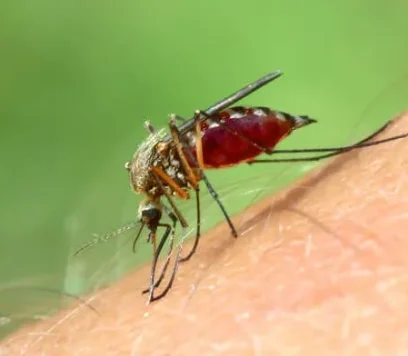
Landlords should also understand that building-wide pests are not just a suite-by-suite issue. Building-wide treatment may be needed when multiple tenants report activity or when pests are present in shared laundry rooms, garbage areas, or mechanical spaces. A narrow response can leave the infestation present in the building structure.
What pest control companies work in Ottawa apartment buildings?
Ottawa has many companies that work with apartment buildings, condos, and rental properties. Names tenants and managers may see include skedaddle Ottawa, abell pest control Ottawa, mr pest control Ottawa, and go pest control Ottawa. Each company may have a different approach to inspection, treatment, and reporting, so property teams often compare service models rather than choosing based only on price.
When selecting a provider, ask whether they support multi-unit housing and recurring infestations. Apartment buildings often need more than one visit, particularly for rodents and bed bugs. A professional exterminator should explain how they handle source identification, access to adjacent units, and ongoing monitoring.
The best pest control Ottawa choice for an apartment building is usually the one that understands shared-wall realities, tenancy coordination, and follow-up. Some companies are strong in rodent extermination, while others specialize in bed bugs or cockroaches. For buildings with multiple pest pressures, it may be worth asking whether the company uses integrated pest management, traps, bait stations, and exclusion work as part of the service.
For nearby communities beyond the core, managers may also compare providers serving pest control Kanata, pest control Kanata Ottawa, and pest control Orleans. Apartment complexes in these areas can face the same shared-space issues as downtown buildings, and the right vendor should be comfortable working across many units and with property management schedules.
Some managers also coordinate service in surrounding communities like pest control Carleton Place, pest control Rockland, and pest control Renfrew, especially when they oversee multiple properties or portfolio buildings. In pest control Barrhaven and similar growing neighbourhoods, the need for responsive scheduling can be especially important because dense housing can spread pests between adjacent suites and nearby structures.
How much does pest control cost in Ottawa apartments?
Cost of pest control in Ottawa depends on the pest, the property size, the amount of impacted suites, and whether repair or exclusion work is needed. A limited, contained issue in one suite is usually cheaper than a recurring building-wide problem involving many storeys, common areas, and return visits.

For example, bed bug treatment can be more complex than a routine mouse visit because it may require a thorough inspection, tenant preparation, and several treatments. Cockroaches often require cleaning improvements, baiting, and repeated service. Rodent work may include snaps, bait boxes, and blocking openings, which raises the overall price but improves the chance of success.
When comparing quotes, ask what is included. A low initial quote may not cover return service, entry prevention, or a second look. In apartment settings, that matters because recurring pest problems are common. https://richmond-hill-onks869.trexgame.net/when-is-the-ideal-time-for-mosquito-management-in-ottawa The most effective pest control Ottawa plan often includes the initial service plus a follow-up visit to confirm the issue is resolved.
The phrase best pest control Ottawa does not always mean the lowest-cost. It usually means a provider that can liaise with the property manager, update tenants, and modify the strategy if the infestation spreads. If the problem is in shared walls or service areas, the cost of a broader response may be justified by the lower chance of repeat complaints.
If you are a tenant, you may not be responsible for the bill if the issue relates to building maintenance or a pre-existing infestation, but that depends on the circumstances and the lease arrangement. When in doubt, ask for the formal procedure in writing and keep records of all communications.
How can tenants stop pests from moving in a building?
Tenant behaviors make a big difference in apartment buildings. Good hygiene is the foundation: place food in airtight containers, wipe counters and floors routinely, and take garbage out frequently. If pests cannot access readily available food or water, they are less likely to remain and breed.
Tenants should also minimize clutter where possible. Boxes, paper bags, and storage piles create hiding spots for cockroaches and bed bugs, while clutter near walls can make it harder to notice mice activity. If you suspect movement, avoid blocking baseboards and keep access clear for inspection and treatment.
To help limit spread, report leaks, damaged screens, broken door sweeps, and holes around pipes right away. These are all access points that pests use to move between units. In a building where the city of Ottawa pest control and property standards expectations are being followed, quick maintenance reporting should be part of the normal service process.
Residents can also prevent moving infested furniture or cardboard between units or into hallways. This is particularly important for bed bugs, which can spread through furniture and soft goods. If treatment is underway, obey the instructions provided by the pest control company exactly, including laundering, vacuuming, or temporary removal of items.
If you are looking up pest control near me for advice, focus on providers that explain tenant responsibilities clearly. Preventive measures work best when tenants and management work collaboratively. In apartment buildings, one person ignoring the problem can make it return for everyone else.
When should an apartment building call a professional exterminator?
An apartment building should hire a professional exterminator as soon as there are recurring sightings, evidence of nesting, or complaints from more than one unit. If mice are present in hallways, storage rooms, or near trash areas, that is usually sufficient reason to bring in the best pest control Ottawa option available for shared-building work.
For pest control Ottawa mice situations, call a professional quickly if you hear scratching, find droppings in multiple locations, or notice gnawing. Mice reproduce quickly and can move through small gaps in walls and utility chases. A good technician will examine for entry points, set traps or bait stations, and recommend sealing work to stop re-entry.
Buildings should also call a professional for bed bugs or cockroaches rather than relying only on DIY products. These pests are highly resilient, and partial treatment can scatter them into nearby suites. A coordinated response may involve tenant preparation, building access, treatment in adjacent units, and follow-up service.
Skedaddle Ottawa and other local services may be contacted for more complex issues, but the key is not the brand name alone. What matters is whether the company knows apartment environments, works with the property manager, and can handle building-wide treatment when needed. In many cases, the right response combines inspection, sanitation, traps, exclusion, and extermination.
If the infestation is extending through shared walls, plumbing chases, or common areas, waiting often makes the response more costly and disruptive. A fast professional intervention is usually the most efficient way to defend tenants and reduce repeated complaints.
What should residents in Ottawa neighbourhoods know about local pest pressure?
Ottawa’s neighbourhood layout affects pest behaviour. In dense areas like pest control Kanata, pest control Kanata Ottawa, and pest control Orleans, apartment clusters, stacked townhomes, and nearby commercial spaces can create conditions where pests move between properties more easily. The same is true in pest control Barrhaven, where newer developments still have shared-wall and shared-utility issues.
Residents in adjacent communities such as pest control Carleton Place, pest control Rockland, and pest control Renfrew should also recognize that pest pressure can vary by building age, waste management, and seasonal conditions. While one area has fewer reports overall, a single building can still experience a recurring infestation if maintenance and exclusion are not handled properly.
In Ottawa, winter drives rodents indoors, but spring and summer can bring more insect activity. That means apartment pest control needs to be seasonal as well as reactive. Regular inspection, monitoring, and preventive measures help keep small issues from becoming widespread building problems.
For tenants and landlords alike, local awareness matters. The right response in a high-rise near downtown is not always identical to a low-rise in Barrhaven or Orléans, but the fundamentals stay the same: early reporting, solid sanitation, repair of entry points, and coordinated extermination when necessary. Ottawa apartment buildings often need more than one service visit to stay pest-free.
Frequently asked questions: Typical questions about apartment pest control in Ottawa
Who is responsible for pest control in an Ottawa apartment building?
Generally the landlord or property manager is responsible for responding to pest problems under the Ontario Residential Tenancies Act, especially when the issue affects habitability or stems from building conditions. Tenants are responsible for reporting quickly, keeping their unit sanitary, and cooperating with inspection and treatment instructions.
What should I do first if I see mice or cockroaches in my apartment?
Let them know in writing right away, take photos if possible, and start basic sanitation steps such as sealing food and removing garbage. If you are dealing with pest control Ottawa mice concerns or cockroaches, ask for an inspection and note whether activity may be coming from a neighbouring unit or shared area.
How frequently does pest control cost in Ottawa for apartments?
Pest control Ottawa cost changes by type of pest, property size, access requirements, and whether a follow-up is needed. A simple, one-time visit may be cheaper than a planned multi-unit treatment. For apartment buildings, the most important question is often not just price, but whether the service includes follow-up visits and building-wide support if needed.
Can I request pest control if my landlord says it is not urgent?
Yes. You can still note the issue, keep your request in a written form, and ask for a timeframe. If the problem persists or grows, the complaint process may need to move up through the property manager, housing channels, or local reporting pathways tied to the city of Ottawa pest control and property standards process.
How do I stop pests from moving between units in a building?
Shared wall pest movement is frequent in multi-unit housing, so prevention requires both tenant and building action. Continue sanitation, secure food, report leaks, and ask management to close entry points, improve exclusion, and schedule follow-up service. In many cases, only organized building-wide treatment will stop pests from moving between units.